Hyaluronic Acid: What It Is, What It's For and What to Expect
A complete guide to hyaluronic acid in aesthetic dermatology: lip filler, under-eyes, non-surgical rhinoplasty and more. Dr. Alejandra Téllez, Bogotá.
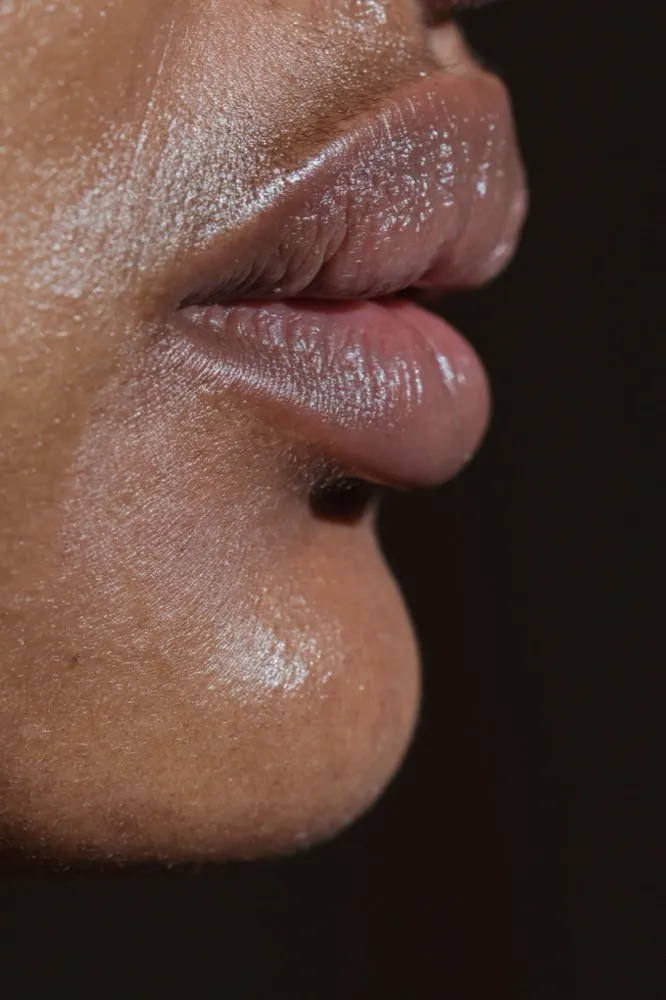
Hyaluronic acid (HA) is one of the most requested procedures in aesthetic dermatology today — and also one of the most misunderstood. Many people come to my office afraid of looking "done" or artificial. The truth is that, when applied well, HA produces results nobody notices — except that you look rested, younger and more like yourself.
What is hyaluronic acid?
Hyaluronic acid is a molecule the body produces naturally. It is found mainly in the skin, joints and eyes, and its main function is to retain water: a single molecule can hold up to 1,000 times its weight in water.
Over time, the body's own HA production decreases. This contributes to loss of facial volume, the appearance of folds and loss of firmness. The HA we inject in the office is a biocompatible gel of non-animal origin — synthetic or biotechnological — that integrates perfectly with the tissues.
What is hyaluronic acid used for?
Lip filler
This is one of the most popular uses. The goal isn't necessarily to make lips bigger, but to:
- Restore volume lost over time
- Define the outline and Cupid's bow
- Hydrate and improve lip texture
- Correct subtle asymmetries
Natural results come from respecting the proportions of the face. My principle: your lips should look like yours, just at their best.
Tear trough (under-eyes)
A hollow tear trough creates a dark shadow that makes a person look tired no matter how much they've slept. HA in this area:
- Fills the groove between the lower eyelid and the cheek
- Removes the dark shadow
- Rejuvenates the eyes without surgery
It is a technically delicate area — there are important blood vessels nearby — which is why it must be done by a trained physician.
Non-surgical rhinoplasty
With small amounts of HA, it is possible to correct:
- Bumps on the bridge of the nose
- Drooping or asymmetrical tips
- Noses with a wide base (with the right technique)
The result lasts 9–18 months and leaves no scars. It doesn't replace surgical rhinoplasty, but for many patients it's exactly what they need.
Cheekbones and cheeks
Cheek volume defines the structure of the midface. Loss of this volume with age — or simply having naturally less prominent cheekbones — can be corrected with a firmer HA.
Nasolabial folds
The fold running from the nose to the corners of the mouth deepens with age. HA helps soften it. Sometimes, however, the cause is sagging of the cheek, in which case treatment goes higher up (in the cheekbones) rather than directly into the fold.
Deep hydration (skin boosters)
There are low-density HA formulations designed not to fill but to hydrate from within. They are applied in small amounts across the face, neck and hands. The result is more radiant, smoother skin with better texture.
How long does it last?
It depends on the area, the product used and individual metabolism:
| Area | Approximate duration | |------|---------------------| | Lips | 6–9 months | | Tear trough | 12–18 months | | Non-surgical rhinoplasty | 9–15 months | | Cheeks | 12–18 months | | Skin boosters | 4–6 months |
People with a faster metabolism tend to break down HA more quickly.
Does it hurt?
HA fillers are applied with very fine needles or cannulas, and modern products already contain lidocaine (a local anesthetic) in their formulation. An anesthetic cream can also be applied before the procedure. Discomfort is minimal and very tolerable.
Is it reversible?
Yes. One of the great advantages of hyaluronic acid is that it can be dissolved with hyaluronidase, an enzyme that breaks down HA within minutes. This is part of the safety protocol for any complication.
Who should NOT have the procedure?
- Pregnant or breastfeeding women
- People with an active infection in the area to be treated
- Known allergy to any component of the product
- Uncontrolled bleeding disorders
What happens afterwards?
It's normal to have:
- Mild swelling during the first 24–48 hours (especially in the lips)
- Small bruises at the injection points
- Temporary asymmetry while the swelling goes down
The final result is evaluated at 15 days. I recommend avoiding intense exercise, alcohol and heat (sauna, hot tub) for the first 24 hours.
Not sure whether hyaluronic acid is right for you? During the consultation I evaluate each face individually and explain honestly and realistically what to expect. Book your appointment with Dr. Alejandra Téllez in Bogotá.
